
Ball Python Snake Mites
Snake mites don’t appear out of nowhere — they’re introduced through predictable mistakes. In this guide, we break down exactly how Ball Pythons get mites, how they spread through a collection, and the simple quarantine habits that prevent a small issue from becoming a full-room infestation.
NEWS & UPDATESHEALTH & BIOSECURITYBALL PYTHON CARE
Emerald City Reptiles
2/24/20263 min read
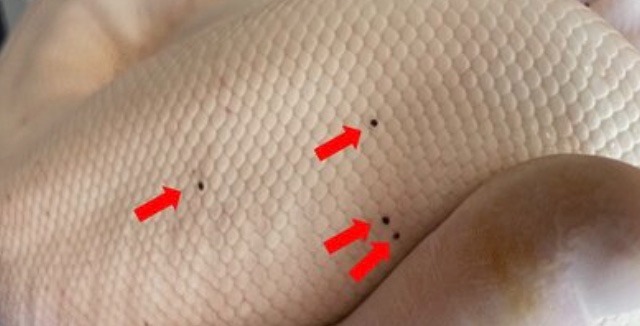
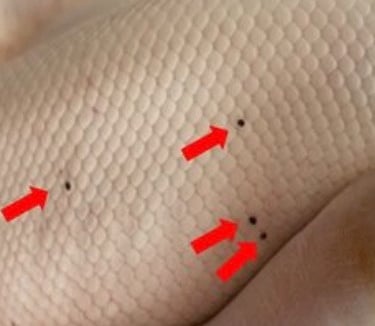
Ball Python Snake Mites: How They Get In and How to Keep Them Out
If you keep Ball Pythons long enough, you’ll eventually deal with mites. The goal isn’t pretending they don’t exist. The goal is understanding exactly how they get into your collection so you can stop them before they spread.
Mites don’t just “appear.” They hitchhike.
And in almost every outbreak I’ve seen, it traces back to one of a handful of predictable mistakes.
Complete Ball Python Care Guide
What Are Snake Mites?
Snake mites (Ophionyssus natricis) are tiny black parasites that feed on your snake’s blood. They crawl on and off the animal, hide in the enclosure, lay eggs in cracks and substrate, and repeat the cycle.
Once established, they multiply fast. What starts as a few can turn into hundreds in a short time.
You’ll usually see them:
Around the eyes
Inside heat pits
Under the chin and along belly scales
Floating in the water bowl
If you see black specks moving in the water dish, you’re not imagining it.
For a clear visual breakdown of treatment, Snake Discovery did a solid walkthrough here:
Effective Mite Treatment
The #1 Way Mites Enter a Collection: New Snakes
This is the big one.
The vast majority of mite problems start with a new animal that wasn’t properly quarantined.
Even reputable breeders can miss early-stage mites. Sometimes they’re barely noticeable. A quick visual inspection at pickup isn’t enough.
Here’s what happens:
You bring home a new Ball Python.
It goes into your room.
You handle it.
You adjust tubs.
You open other enclosures.
Mites crawl. They transfer. They spread.
Skipping quarantine is the fastest way to turn one infested snake into a full-room problem.
Worried about your ball python’s health?
Cross Contamination: Hands, Tools, and Clothing
Mites don’t fly. They crawl — and they’re very good at it.
If you handle an infested snake and then touch:
Another tub
Feeding tongs
Thermostat probes
Rack handles
Your shirt sleeves
You can move mites without realizing it.
This is how experienced keepers accidentally spread them through a rack system. It’s not carelessness — it’s routine habits done in the wrong order.
One snake at a time. Wash hands between animals. Disinfect tools. It sounds basic, but this is where containment lives or dies.
Reptile Shows and High-Traffic Environments
Shows are incredible for the hobby. They’re also prime territory for mites.
Tubs stacked next to each other. Shared air space. Multiple animals handled back to back. People leaning over tables touching different setups.
Even if you don’t buy a snake, you can bring mites home on clothing or gear.
If you attend shows, change clothes before entering your reptile room. That one habit alone can save you weeks of cleanup later.
Can Rats or Feeders Cause Mites?
This topic gets blamed constantly.
Here’s the reality:
Snake mites prefer reptiles.
Rodent mites prefer rodents.
They’re different species.
Could a feeder transport a mite if it came from an infested reptile environment? Technically possible. Is it the usual cause? No.
In nearly every confirmed outbreak I’ve seen, the source was a new reptile — not a rat.
Blaming feeders is common. Skipping quarantine is more common.
What About Substrate?
Commercial substrate doesn’t spontaneously generate snake mites.
However:
If bedding was stored near infested reptiles, or if décor and hides were exposed in a contaminated environment, mites can be transported that way.
The substrate itself isn’t the origin. Contamination is.
This is another reason quarantine setups should use paper towels. It’s easier to monitor and easier to control.
Why Quarantine Isn’t Optional
If you’re serious about keeping Ball Pythons, quarantine isn’t paranoia — it’s protocol.
At minimum:
Separate room if possible
Paper towel substrate
No shared tools
30–60 days observation
Regular physical inspections
Most mite disasters aren’t caused by ignorance. They’re caused by impatience.
One skipped step can cost you months of stress.
The Real Takeaway
Snake mites don’t show up out of nowhere.
They come in on:
New animals
Contaminated equipment
Clothing
Show exposure
And once they’re in your room, they spread quickly if you’re not disciplined.
The good news? They’re preventable. And if caught early, they’re manageable.
The breeders who rarely deal with mites aren’t lucky — they’re methodical.
Blog / Ball Pythons
Explore our insights on ball python breeding.
CONTACT
Sign Up for Updates no spam
info@ecreptiles.com
© 2026. NW Ball Pythons LLC dba Emerald City Reptiles All rights reserved.