
What You Need to Know Before Adopting a Ball Python
Thinking about adopting a ball python? This guide covers everything you need to know before bringing one home—from care requirements and costs to the pros, cons, and long-term responsibilities of owning this popular pet snake. (Full discloure we do use AI to help create our content.)
BALL PYTHON CARE
Emerald City Reptiles
1/27/20263 min read
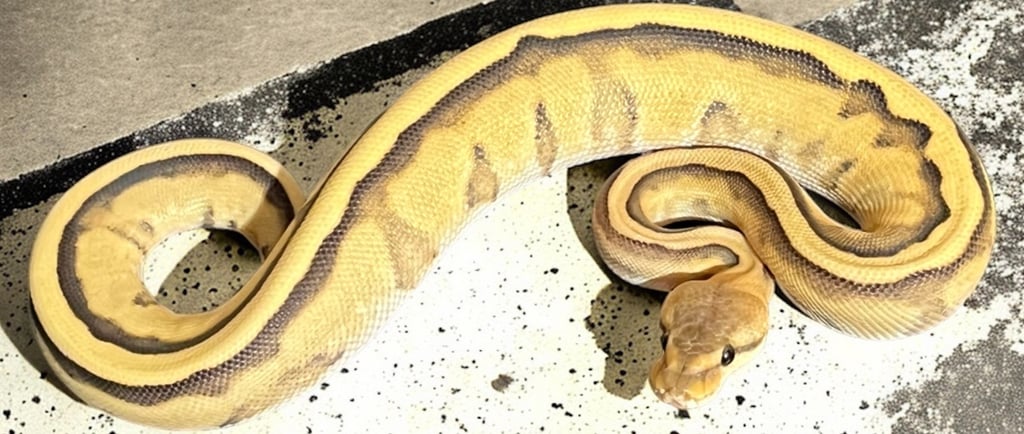
What You Need to Know Before Adopting a Ball Python
Ball pythons are one of the most popular pet snakes in the world, and for good reason. They are generally calm, manageable in size, and visually stunning thanks to the wide variety of colors and patterns available today. That said, adopting a ball python is a long‑term commitment that comes with real responsibilities, ongoing costs, and a learning curve that many first‑time owners underestimate.
This guide is designed to give you a realistic, clear picture of what it truly means to care for a ball python—both the positives and the challenges—so you can decide whether this reptile is the right pet for you.
Complete Ball Python Care Guide
Understanding Ball Pythons
Ball pythons are non‑venomous constrictor snakes native to West and Central Africa. In the wild, they spend much of their time hidden in burrows or dense vegetation, emerging mostly at night to hunt. Their name comes from their defensive behavior: when stressed, they curl into a tight ball to protect their head.
In captivity, ball pythons typically grow to 3–5 feet in length and can live 20–30 years with proper care. This lifespan alone makes them a serious long‑term commitment, comparable to adopting a dog or cat.
The Positives of Owning a Ball Python
Calm Temperament
Ball pythons are widely known for their docile nature. When properly handled and cared for, they are unlikely to bite and tend to tolerate human interaction well.
Manageable Size
Compared to many other snake species, ball pythons remain relatively small and easy to house, making them suitable for people with limited space.
Low Daily Maintenance
Unlike mammals, ball pythons do not require daily feeding, walks, or constant attention. Once their enclosure is properly set up, daily care is minimal.
Quiet and Odor‑Free
Ball pythons are silent pets and produce very little odor when their enclosure is kept clean, making them ideal for apartments or shared living spaces.
Visual Appeal
Selective breeding has produced hundreds of unique morphs, allowing owners to choose a snake that fits their aesthetic preferences.
The Challenges and Responsibilities
Long Lifespan
A ball python is not a short‑term pet. Adopting one means committing to decades of care, including changes in your living situation, finances, and availability.
Specialized Habitat Requirements
Ball pythons rely entirely on their environment to regulate body temperature and health. Incorrect temperatures or humidity can lead to serious medical issues.
Feeding Challenges
Ball pythons eat whole prey, typically frozen‑thawed rodents. Some individuals are picky eaters and may go on feeding strikes that worry inexperienced owners.
Limited Interaction
While calm, ball pythons are not social animals. They do not bond emotionally like dogs or cats and should not be expected to enjoy frequent handling.
Veterinary Access
Not all veterinarians treat reptiles. Access to an experienced exotic vet is essential and can be costly when medical issues arise.
Habitat and Enclosure Setup
A proper enclosure is the foundation of ball python care.
Enclosure size:
An adult ball python typically requires a 4‑foot enclosure to allow proper movement and temperature gradients.
Heating:
Ball pythons need a warm side (88–92°F) and a cooler side (76–80°F). This usually requires under‑tank heaters or radiant heat panels regulated by thermostats.
Humidity:
Ideal humidity ranges from 50–60%, increasing during shedding. Improper humidity can cause respiratory infections or shedding problems.
Hides and enrichment:
At least two secure hides (one warm, one cool) are essential. Clutter such as branches and foliage helps reduce stress.
Feeding and Nutrition
Ball pythons eat appropriately sized rodents every 7–14 days depending on age and size. Frozen‑thawed prey is strongly recommended for safety and convenience.
Feeding schedules are not flexible in the same way as other pets. Owners must be comfortable storing prey and following proper thawing and feeding practices.
Health and Common Issues
With proper care, ball pythons are hardy animals. However, common health issues include:
Respiratory infections
Mites or parasites
Shedding complications
Obesity from overfeeding
Routine observation and prompt veterinary care are critical to long‑term health.
Costs to Expect
Initial setup costs:
Enclosure and heating equipment: $300–$600
Thermostats and monitoring tools: $100–$200
Décor and substrate: $50–$150
Ongoing costs:
Food: $100–$200 per year
Substrate and supplies: $100 per year
Veterinary care: varies, but emergency visits can be several hundred dollars
Ball pythons are not “cheap” pets, especially when cared for responsibly.
Is a Ball Python Right for You?
A ball python can be an excellent pet for someone who values observation over interaction, is comfortable with reptile care, and is prepared for a long‑term commitment. They are not ideal for those seeking a cuddly companion or a low‑cost, temporary pet.
Before adopting, consider your long‑term plans, access to veterinary care, and willingness to maintain a controlled environment year‑round.
Final Thoughts
Ball pythons are fascinating, beautiful animals that thrive when their needs are met. Responsible ownership starts with education and honest self‑assessment. If you are prepared for the responsibility, a ball python can be a rewarding companion for decades to come.
Blog / Ball Pythons
Explore our insights on ball python breeding.
CONTACT
Sign Up for Updates no spam
info@ecreptiles.com
© 2026. NW Ball Pythons LLC dba Emerald City Reptiles All rights reserved.