
Ball Python Humidity: The Most Common Mistake New Keepers Make
Learn why proper humidity is critical for ball python health, shedding, hydration, and respiratory wellness. Discover common humidity mistakes new keepers make and how to create a stable, healthy enclosure environment for your snake.
HEALTH & BIOSECURITYBALL PYTHON CAREBEGINNER KEEPER GUIDES
5/31/20263 min read
Ball Python Humidity: The Most Common Mistake New Keepers Make
One of the most common issues new ball python keepers face is improper humidity. In fact, many of the health problems seen in captive ball pythons can be traced to humidity levels that are either too low, too inconsistent, or incorrectly measured.
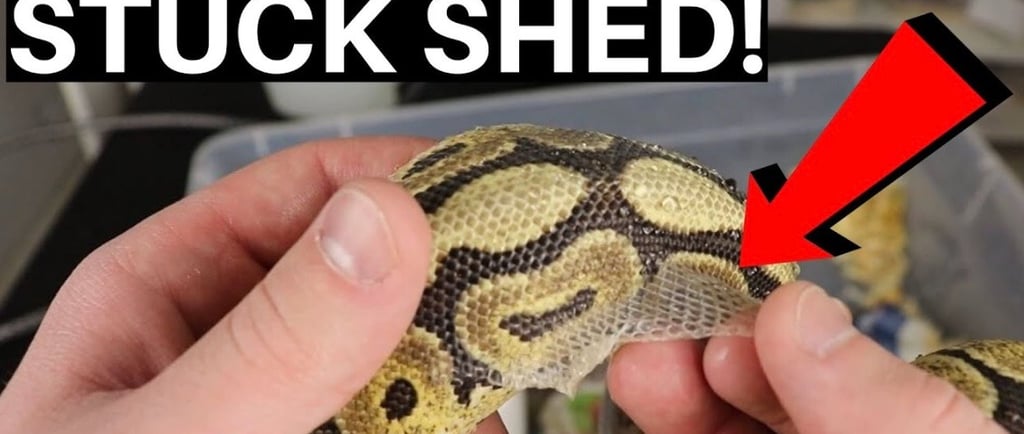
Ball pythons are hardy snakes, but they still require an environment that closely supports proper hydration and healthy shedding. Unfortunately, humidity is one area where bad information spreads quickly online. Many new keepers are told that 50% humidity is acceptable, only to later deal with stuck sheds, dehydration, respiratory issues, or stressed animals.
At Emerald City Reptiles, we believe proper husbandry starts with understanding the basics correctly.
Complete Ball Python Care Guide
Why Humidity Matters for Ball Pythons
Ball pythons originate from regions of Africa where they naturally spend much of their time in humid microclimates such as burrows and termite mounds. Even if outside conditions fluctuate, these enclosed spaces maintain stable moisture levels that help the snake remain hydrated and secure.
In captivity, low humidity can lead to:
Stuck sheds
Dehydration
Wrinkled skin
Difficulty shedding eye caps
Respiratory irritation
Increased stress
Poor feeding response
Humidity is not just about shedding — it directly affects the snake's overall health.
What Humidity Range Is Best?
For most ball pythons, we recommend maintaining:
60–75% humidity consistently
Slightly higher during shed cycles if needed
Some individuals tolerate slightly lower or higher ranges, but consistency is far more important than constant swings.
One mistake many keepers make is allowing humidity to spike temporarily after misting, only to crash back down within hours. A stable environment is much healthier than constant fluctuations.
Common Signs Your Humidity Is Too Low
Your ball python may be showing signs of dehydration before a bad shed ever happens.
Watch for:
Crinkled or wrinkled skin
Incomplete sheds
Retained eye caps
Dry or flaky scales
Excessive soaking
Increased hiding
Irritability during handling
If these signs appear, husbandry should always be reviewed before assuming illness.
The Biggest Mistake: Trusting Cheap Hygrometers
Many inexpensive analog humidity gauges sold in pet stores are wildly inaccurate. Some can be off by 15–20% or more.
We strongly recommend:
Digital hygrometers
Probes placed near the snake’s actual hide area
Monitoring both warm and cool sides of the enclosure
Humidity near the top of the enclosure may differ significantly from the conditions the snake actually experiences.
Best Ways to Maintain Proper Humidity
Use Humidity-Friendly Substrate
Substrates that hold moisture well help create stable humidity levels.
Popular choices include:
Coconut husk
Coco fiber
Cypress mulch
Reptile bark blends
Dry Aspen bedding often struggles to maintain humidity in many environments, especially during winter months.
Provide Proper Ventilation — But Not Too Much
Excessive ventilation is one of the biggest causes of low humidity.
Many screen-top enclosures lose moisture extremely fast. Partial covering of the screen top using safe materials can help stabilize humidity while still allowing airflow.
Balance is important:
Too little airflow can create stagnant conditions
Too much airflow dries the enclosure rapidly
Use a Properly Sized Water Bowl
A larger water bowl placed partially near the warm side can help increase ambient humidity naturally.
However, humidity should not rely solely on water evaporation. Substrate moisture and enclosure setup matter far more.
Humid Hides Can Help During Shed Cycles
For snakes struggling with sheds, a humid hide can be very useful.
A humid hide is typically:
An enclosed hide
Filled with damp sphagnum moss
Kept lightly moist, not soaking wet
This provides the snake with a localized higher-humidity area when needed.
Avoid Constant Misting
Many keepers rely heavily on spraying the enclosure multiple times per day. While occasional misting may help temporarily, constant spraying often creates humidity spikes instead of stable conditions.
Frequent misting can also:
Encourage bacterial growth
Create overly wet surfaces
Increase scale rot risk
Maintaining proper substrate moisture is usually a much more stable solution.
Humidity and Respiratory Problems
Low humidity can contribute to respiratory irritation over time. While respiratory infections have multiple causes, dry conditions can weaken a snake’s ability to remain properly hydrated and healthy.
This is one reason proper husbandry is so important for long-term success.
You can also read our article:
“What Is Python Nidovirus?”
for additional information on respiratory-related concerns in pythons.
Final Thoughts
Humidity is one of the foundational parts of successful ball python care. The good news is that most humidity issues are completely preventable with proper enclosure setup and consistent monitoring.
Many new keepers focus heavily on morphs, genetics, and enclosure aesthetics while overlooking the environmental conditions that truly impact the snake’s health.
A properly hydrated ball python will typically:
Shed cleanly
Feed consistently
Show better overall body condition
Experience less stress
In the long run, good husbandry always matters more than expensive equipment or trendy setups.
For more ball python care articles and breeder insights, visit our Ball Python Care Guide
Blog / Ball Pythons
Explore our insights on ball python breeding.
CONTACT
Sign Up for Updates no spam
info@ecreptiles.com
© 2026. NW Ball Pythons LLC dba Emerald City Reptiles All rights reserved.